Research Program on Arts & Human Rights

The Research Program on Arts & Human Rights explores how the arts can promote the full exercise of human rights and the consolidation of a democratic culture. The arts not only make human rights visible. They also advance democratic thinking as they help us imagine new futures and open unique spaces for dialogue and debate, ushering us into novel modes of experience that provide concrete grounds for rethinking our relationship with one another. Thus, the arts can act as a powerful means of sustaining individual and collective reflection on human rights, and of linking individual and collective public experience, social belonging, and citizenship.

Guiding Concepts

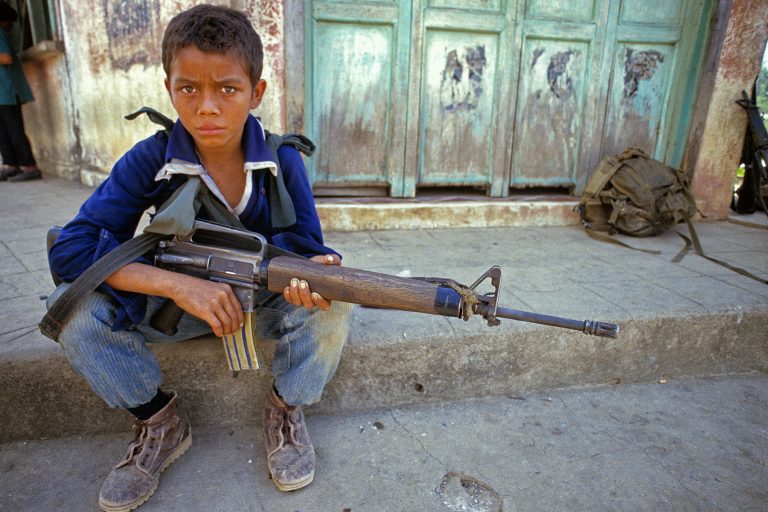
Art makes visible human rights, and their violation, helping us combat injustice.
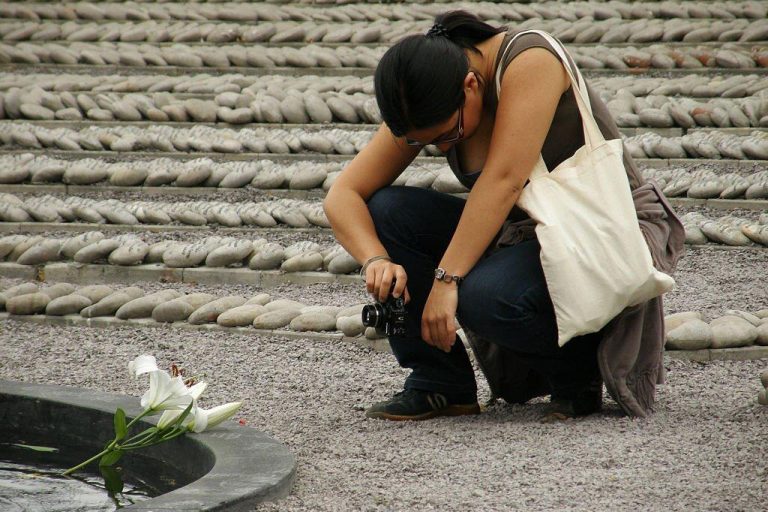
Art strengthens mutual recognition, opening new spaces for dialogue and debate.
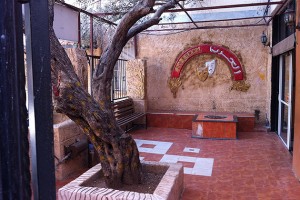
Art forges new potential futures, helping us envision a more moral and just society.

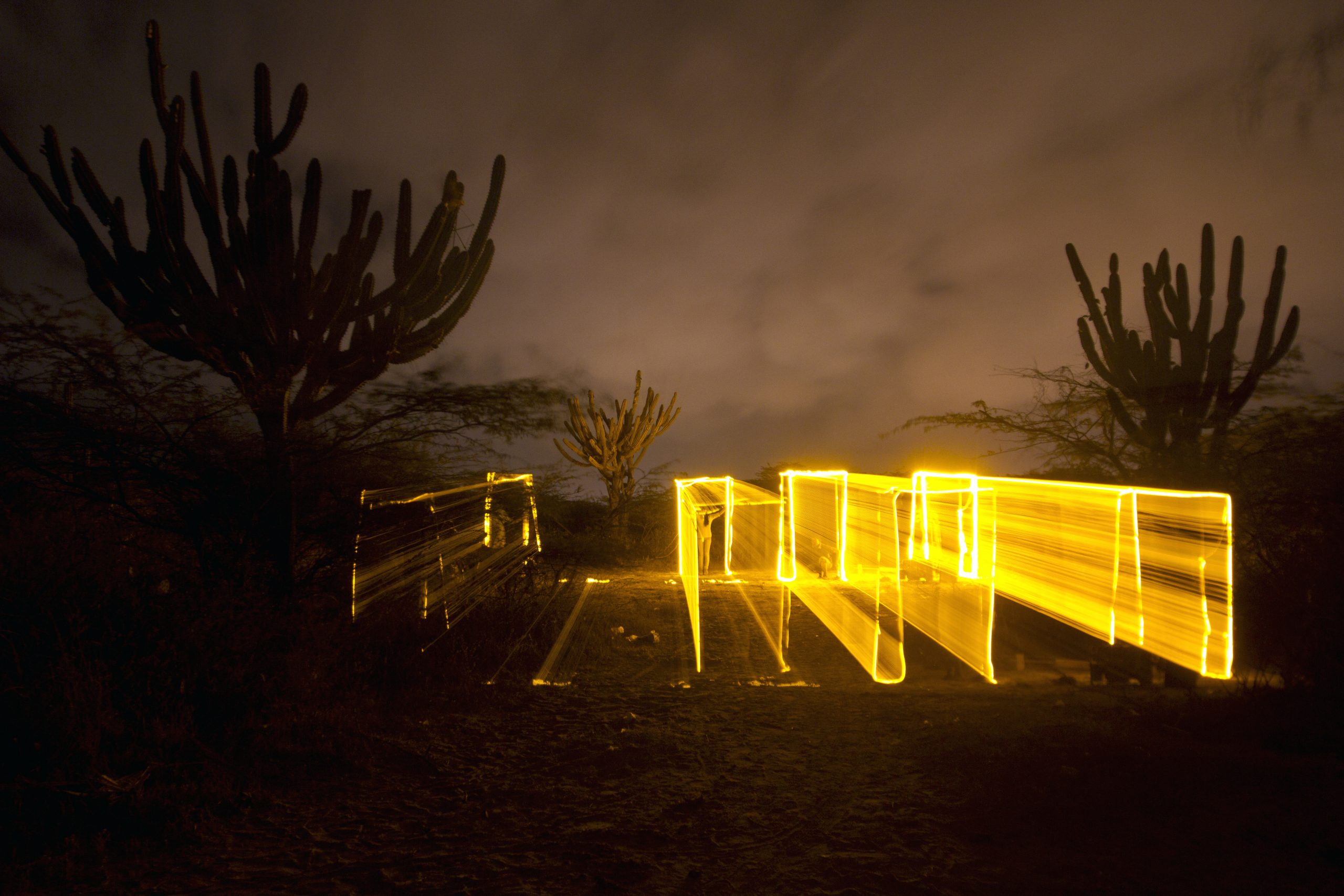
Santiago Escobar-Jaramillo, Tierra de Luz

Santiago Escobar-Jaramillo, Tierra de Luz

Themes & Projects

Spatial Memory
Memorials, memorialization; museums and sites of conscience; spaces of human rights

Symbolic Reparations and Transitional Justice
Responding to demands for truth, recognition, dignity, justice and accountability made by victims of human rights violations

Arts and Democracy
Fostering democratic imagination through the visual and performing arts

Visual Culture and Human Rights
Traditional and new visual practices and technologies in relation to human rights

Performance and Human Rights
Demonstration of human rights questions through theatre and performance studies

Music and Human Rights
Music and struggles for social change; music as resistance to violence and trauma

Upcoming Events

    https://events.uconn.edu/live/json/v2/events/response_fields/location,summary/date_format/%25F%20%25j,%20%25Y/group/Human Rights Institute/tag/ahr/max/4/start_date/today/end_date/6 months/
  • Jan
    28
    Democracy & Modern Art in 1940s Cuba: Discussion with Dr. Alejandro Anreus
    Homer Babbidge Library
    3:30 PM

    Between 1940 and the 1952 coup by Fulgencio Batista, Cuba experienced a democratic system of government as well as a vibrant cultural renaissance, particularly in the visual arts. Cuba scholar and art historian Alejandro Anreus explores how Cuban artists collaborated to create distinct visual languages that reflected postwar hemispheric solidarity and cultural exchange between democracies.

News

Our People

Leadership

José Luis Falconi

José Luis Falconi

Co-Chair, Research Program on Arts & Human Rights
Assistant Professor, Art History & Human Rights

jose.falconi@uconn.edu

Robin Greeley

Robin Greeley

Co-Chair, Research Program on Arts & Human Rights
Professor, Art History

robin.greeley@uconn.edu

Michael Orwicz

Michael Orwicz

Co-Chair, Research Program on Arts & Human Rights
Associate Professor, Art History

michael.orwicz@uconn.edu

People

Alexis Boylan

Professor of Africana Studies, Art and Art History

alexis.boylan@uconn.edu

Janie Cole

Assistant Professor of Musicology

janie.cole@uconn.edu

Stephen Dyson

Director of Graduate Studies, Political Science
Professor, Political Science

stephen.dyson@uconn.edu

Gary English

Board of Trustees Distinguished Professor, Emeritus, Dramatic Arts

gary.english@uconn.edu

José Falconi

Co-Chair, Research Program on Arts and Human Rights
Assistant Professor, Art History and Human Rights

jose.falconi@uconn.edu

Robin Greeley

Co-Chair, Research Program on Arts and Human Rights
Professor, Art History

robin.greeley@uconn.edu

Louis Hanzlik

Alice Murray Heilig Music Chair
Department Head, Music
Professor, Trumpet
louis.hanzlik@uconn.edu

Shareen Hertel

Shareen Hertel

Wiktor Osiatyński Chair of Human Rights
Professor, Political Science and Human Rights

shareen.hertel@uconn.edu

Emily Larned

Associate Professor, Graphic Design

emily.larned@uconn.edu

Kathryn Libal

Kathryn Libal

Director, Gladstein Family Human Rights Institute
Professor, Social Work and Human Rights

kathryn.libal@uconn.edu

Jacqueline Loss

Director of Graduate Studies, Department of Literatures, Cultures, and Languages
Professor, Department of Literatures, Cultures, and Languages
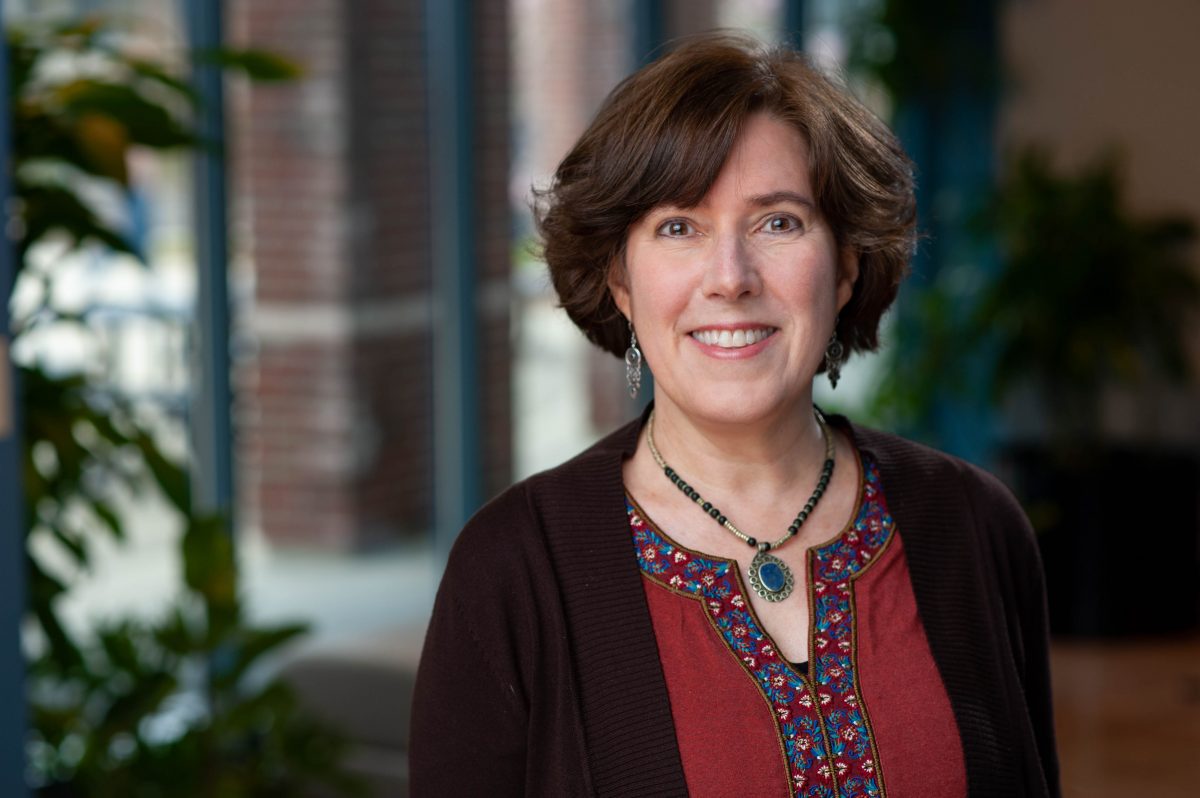
jacqueline.loss@uconn.edu

Asif Majid

Asif Majid

Assistant Professor, Dramatic Arts and Human Rights

asif.majid@uconn.edu

Catherine Masud

Catherine Masud

Assistant Professor In-Residence, Human Rights Documentary Filmmaking

catherine.masud@uconn.edu

Michael Orwicz

Co-Chair, Research Program on Arts and Human Rights
Associate Professor, Art History

michael.orwicz@uconn.edu

Christopher Sancomb

Assistant Professor, Industrial Design
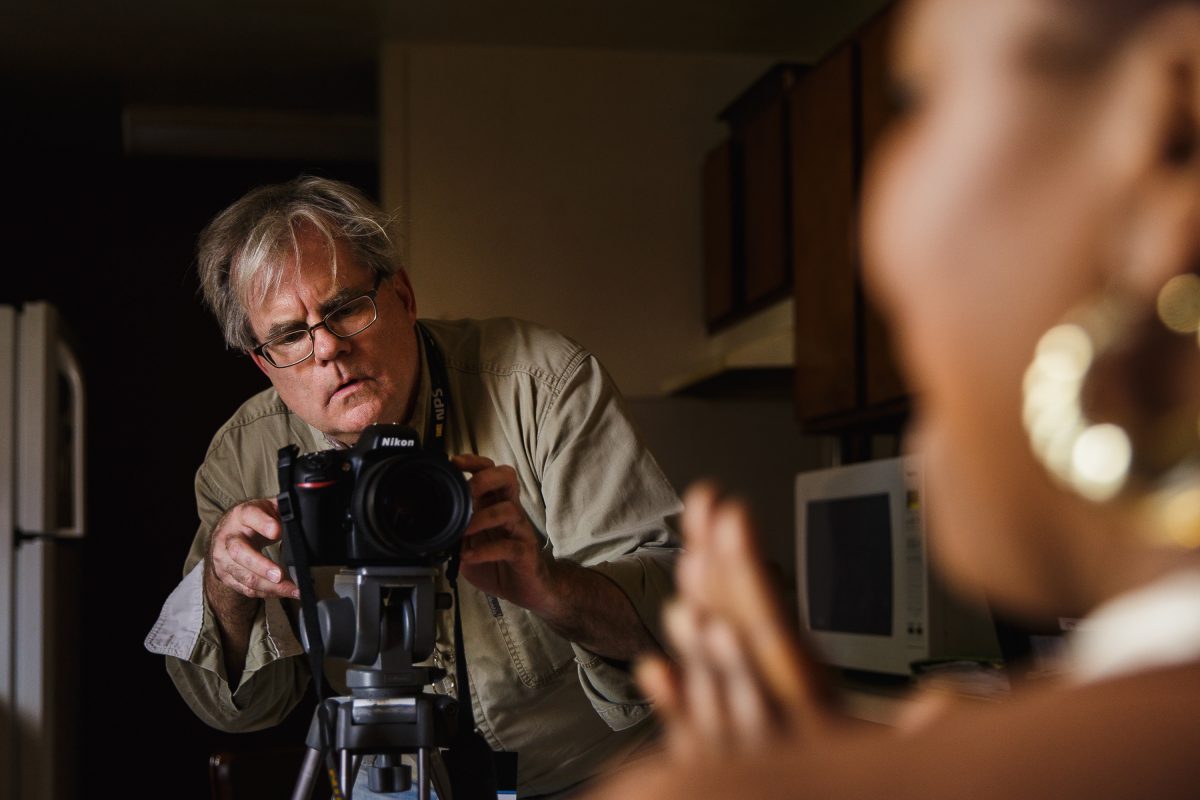
christopher.sancomb@uconn.edu

Sophie Shao

Associate Professor of Cello

sophie.shao@uconn.edu

Christine Sylvester

Professor Emeritus, Political Science

christine.sylvester@uconn.edu

Lynne Tirrell

Professor, Philosophy

lynne.tirrell@uconn.edu

Scott Wallace

Scott Wallace

Associate Professor, Journalism
Affiliate Faculty Member, El Instituto: UConn’s Institute of Latino/a, Caribbean and Latin American Studies

scott.wallace@uconn.edu