The ICTY Sexual Violence Legacy Cases Archives Collection provides court records of wartime sexual violence before the International Criminal Tribunal for the former Yugoslavia (ICTY). Established in 1993 by the United Nations, the Tribunal became a pivotal institution in advancing accountability for sexual violence crimes committed during the agression on Bosnia and Herzegovina and the conflicts in the former Yugoslavia.
Since 1995, more than seventy individuals were charged by the ICTY with crimes including rape, sexual assault, and sexual enslavement. By early 2011, nearly thirty convictions had been secured in cases involving sexual violence. These proceedings not only delivered justice in individual cases, but also fundamentally reshaped international criminal jurisprudence by affirming that sexual violence can constitute torture, enslavement, crimes against humanity, grave breaches of the Geneva Conventions, and even acts of genocide under certain conditions.
This collection brings together materials from landmark prosecutions that established enduring legal precedents and deepened global understanding of sexual violence as a deliberate tool of war.
Mucić et al.: Rape Recognized as Torture
The case of Zdravko Mucić, Hazim Delić, and Esad Landžo—often referred to as Mucić et al.—marked a watershed moment in international criminal law. The trial concerned crimes committed at the Čelebići prison camp in central Bosnia and Herzegovina, where Bosnian Serb civilians were detained and abused by members of Bosnian armed forces.
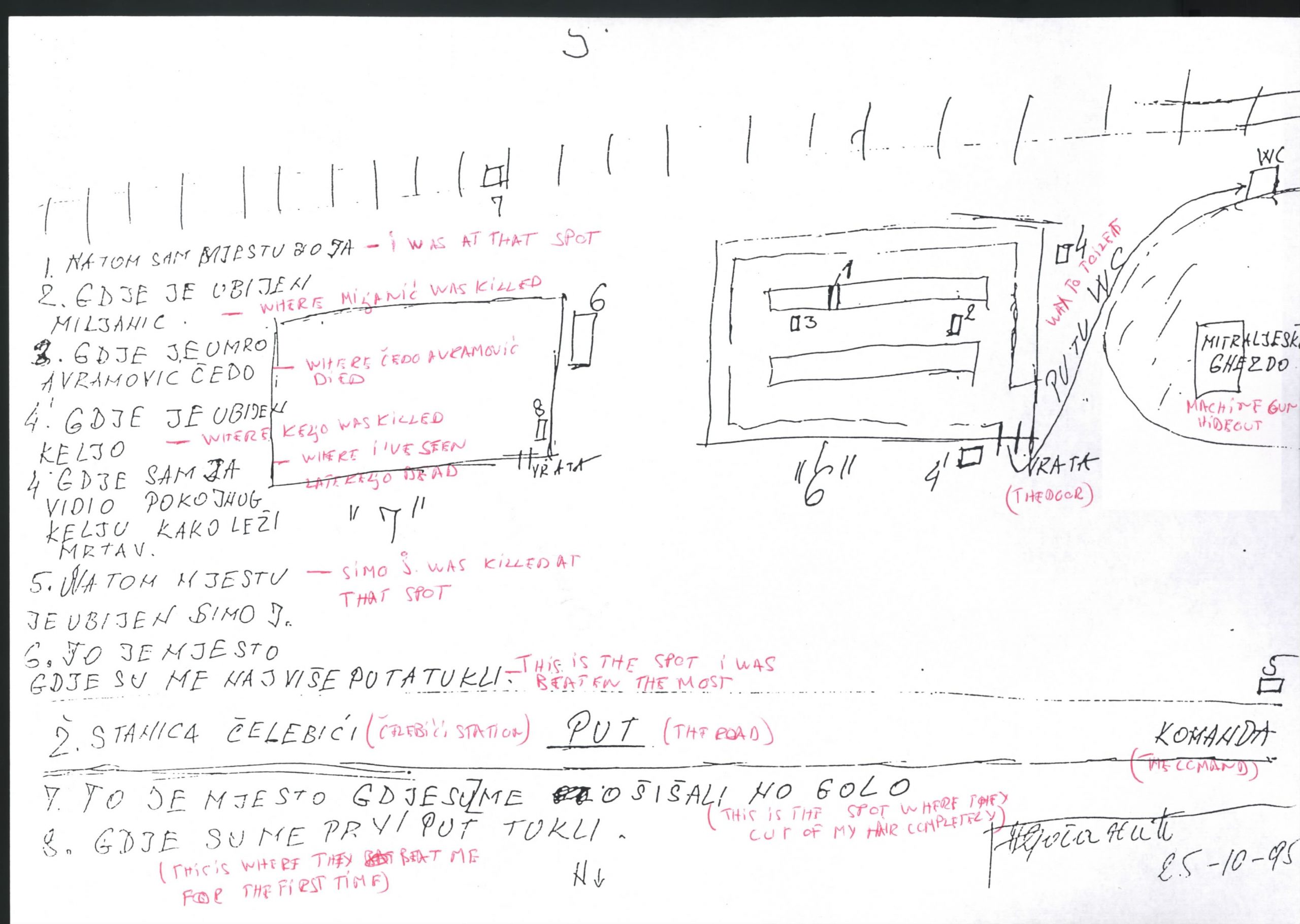
Three of the four accused faced charges related to sexual violence. The Trial Chamber examined acts that included sexual humiliation, forced sexual acts between detainees, and the use of burning fuses placed on prisoners’ genitals. The crimes were prosecuted not only as violations of the laws and customs of war, but also as grave breaches of the Geneva Conventions.
Most significantly, the Tribunal held that rape can constitute torture under customary international law. Deputy camp commander Hazim Delić was convicted for raping two detained women during interrogations. The Chamber found that the rapes were committed to obtain information, punish, intimidate, and coerce the victims, and that the violence was inflicted with discriminatory intent because they were women. In its 1998 judgment, the Trial Chamber declared rape to be “a despicable act which strikes at the very core of human dignity and physical integrity,” and confirmed that acts of rape may amount to torture.
The ICTY Appeals Chamber upheld these findings. Delić was sentenced to 18 years’ imprisonment, Mucić to 9 years, and Landžo to 15 years. A fourth accused, Zejnil Delalić, was acquitted due to insufficient evidence. This case firmly established rape as a prosecutable form of torture in international criminal law.
Furundžija: Sexual Violence in Focus
The prosecution of Anto Furundžija was the first ICTY case devoted entirely to charges of sexual violence. At the time of the crimes, Furundžija commanded the “Jokers,” a special unit of the Croatian Defence Council (HVO) in Bosnia and Herzegovina.
Although Furundžija did not personally commit the rape at issue, he was present during interrogations in which a subordinate raped a Bosnian Muslim woman before other soldiers. The Trial Chamber found him guilty as a co-perpetrator and as an aider and abettor, emphasizing the responsibility of commanders who enable or facilitate sexual violence.
The judgment clarified and expanded the legal classification of rape under international law. Although the ICTY Statute explicitly listed rape as a crime against humanity, the Chamber determined that rape may also constitute a grave breach of the Geneva Conventions and a violation of the laws and customs of war. The Tribunal further affirmed that rape may amount to genocide if the requisite elements are met.
Furundžija’s conviction was upheld on appeal, and he was sentenced to 10 years’ imprisonment. The case remains a cornerstone in defining the scope of rape as an international crime.
Kunarac et al.: Sexual Enslavement as a Crime Against Humanity
The second ICTY trial focused exclusively on sexual violence—against Dragoljub Kunarac, Radomir Kovač, and Zoran Vuković—further transformed international criminal law. These Bosnian Serb officers were convicted for their roles in organizing and maintaining a system of detention centers and apartments in Foča where Muslim women and girls were subjected to repeated rape, sexual assault, and enslavement following the Bosnian Serb takeover of the town in 1992.

The Trial Chamber heard testimony from more than twenty survivors who described being detained, repeatedly raped, forced to perform domestic labor, deprived of freedom of movement, and bought and sold among captors. The judges concluded that the women were held in conditions of enslavement and that this enslavement was inherently sexual in nature.
This ruling significantly broadened the definition of enslavement as a crime against humanity to include sexual servitude—an expansion beyond traditional associations of enslavement with forced labor. The Chamber also issued the ICTY’s first convictions for rape as a crime against humanity.
The Appeals Chamber upheld the convictions in June 2002. Kunarac received a 28-year sentence, Kovač 20 years, and Vuković 12 years’ imprisonment. The case remains a defining precedent in recognizing sexual enslavement as an international crime.